
We’ve seen good projects go sideways due to one bad equipment decision.
It usually starts the same way: a contractor rents an excavator that looks perfect on paper. The specs line up, the price feels right, and everyone signs off without a second thought. Then the machine rolls onto the site… and everything unravels.
The excavator can’t fit through the access gate. It bogs down in compacted soil. Or it simply can’t reach the trench depth you planned for.
Now the crew’s stuck waiting, burning daylight and payroll while the rental meter keeps running.
What looked like a small oversight has turned into an expensive mess before the first bucket hits the dirt.
Choosing the right excavator goes beyond horsepower ratings and shiny spec sheets. When the machine truly fits the project, the crew stays productive, deadlines stop slipping, and your budget stays where it belongs.
In this post, we’ll walk you through how to choose the right excavator for your project, step by step.
How to Choose the Right Excavator for Your Project
Before you start comparing specs or rental rates, take time to understand your project requirements .
Look at the Type of Work
What are you tackling: digging, trenching, demolition, or landscaping? Each type of job demands a different mix of power, reach, and bucket size. A lightweight mini excavator might handle landscaping or trenching, but demolition or heavy digging usually requires something sturdier.
Consider Job Site Conditions
Next, think about the site itself. Tight access points, uneven terrain, or specific depth requirements play a huge role in selecting the right machine.
Check the Material Type
Don’t overlook what you’ll be moving. Soft soil, compact clay, solid rock, or piles of debris behave differently. Each material demands a certain kind of bucket and hydraulic strength.
Knowing these details upfront makes it much easier to decide how to choose the right excavator for a project for your goals, site, and budget.
Types of Excavators and Their Uses
Excavators come in different configurations, and choosing the right one depends on the scale and demands of your project. Understanding the different sizes of excavators available helps you avoid overpaying for capacity you do not need or underpowering your crew on demanding work.
Below is a clear breakdown of the most common categories and where they perform best.
| Excavator Type | Typical Use | Key Features |
|---|---|---|
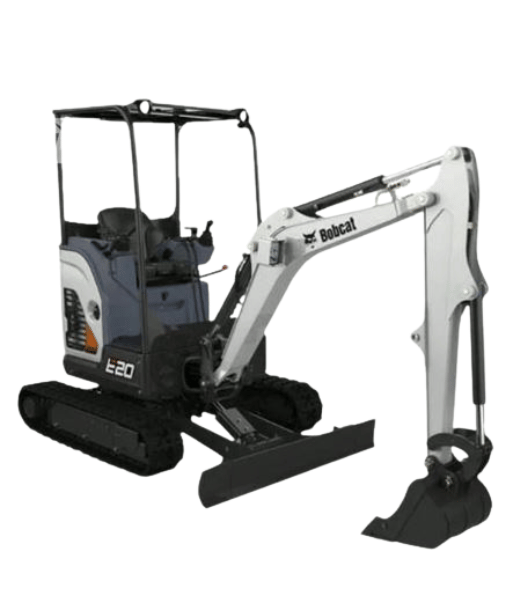
| Mini Excavators | Small spaces, landscaping, residential work | Compact design, easy transport, great for mini excavator rental projects |
| Mid-Size Excavator | Medium-scale jobs, trenching, roadwork | Balanced power and reach; often called the best mid-size excavator for versatility |
| Large Excavator | Heavy digging, demolition, and commercial construction | Maximum digging depth, high lifting capacity, suited for major earthmoving |
What Size Excavator Do I Need
If you’ve ever caught yourself asking, “What size excavator do I need?” you’re asking the right question. Selecting the right excavator size can make or break your job.
Go too small, and you’ll be chipping away all day.
Go too big, and you’re burning extra fuel, tearing up the site, and paying for power you don’t even use.
When selecting the right excavator size , focus on three core factors: required digging depth, horizontal reach, and lifting capacity. The machine must comfortably exceed your trench depth and reach requirements while safely handling the materials you plan to move.
Remember, excavator sizes aren’t one-size-fits-all. An oversized rig can crush your budget just as fast as an undersized one can slow your crew down.
Consider Equipment Features and Attachments
Attachments can completely change how productive your machine is, so they should be part of the decision from the start. The right setup turns an excavator into a true multitool on site. Pay attention to hydraulic power and overall versatility, since those determine how well attachments perform under pressure.
If you’re figuring out how to choose an excavator , don’t skip the fine print: double-check attachment compatibility, hydraulic strength, and quick-coupler options before you lock in your choice.
Rental vs. Buying: What Makes Sense?
Deciding whether to rent or buy comes down to how often you’ll put that machine to work. Buying is better for contractors who use equipment year-round.
On the other hand, renting makes more sense for short-term projects or when you need strict cost control. It also gives you flexibility to choose the right machine for each job, whether that is a Kubota mini excavator for tight residential work or a larger unit for heavier digging.
If you need an excavator in Ann Arbor, MI , renting allows you to scale up or down as projects change.
Budget and Efficiency Considerations
Since every dollar counts on a job site, you’ll need to think beyond the price tag when choosing the right excavator .
Fuel efficiency can have a significant impact, especially on long-term projects. Factor in operating costs like maintenance, wear parts, and transportation: they can quickly eat into your margins if you’re not careful.
Always weigh the equipment’s ROI against your project’s timelines. The machine that finishes faster and burns less fuel is the one keeping your profits on track.
Final Thoughts: Making the Smart Choice for Your Project
Choosing the right excavator isn’t complicated, but it does require some planning. Begin by understanding exactly what your project demands, then match the machine’s size, reach, and power to the work ahead.
Go larger only when the job truly calls for it, and remember how many attachments can expand a machine’s usefulness. Terrain, transport logistics, and operator comfort all play a part in long-term productivity.
If you’re in Ann Arbor, MI, A-1 Rental offers everything from compact units to large machines, along with expert guidance to help you choose the right one. Contact us to see how the right equipment drives better outcomes.